Field notes: the compartment where grey attack outran the saw crews
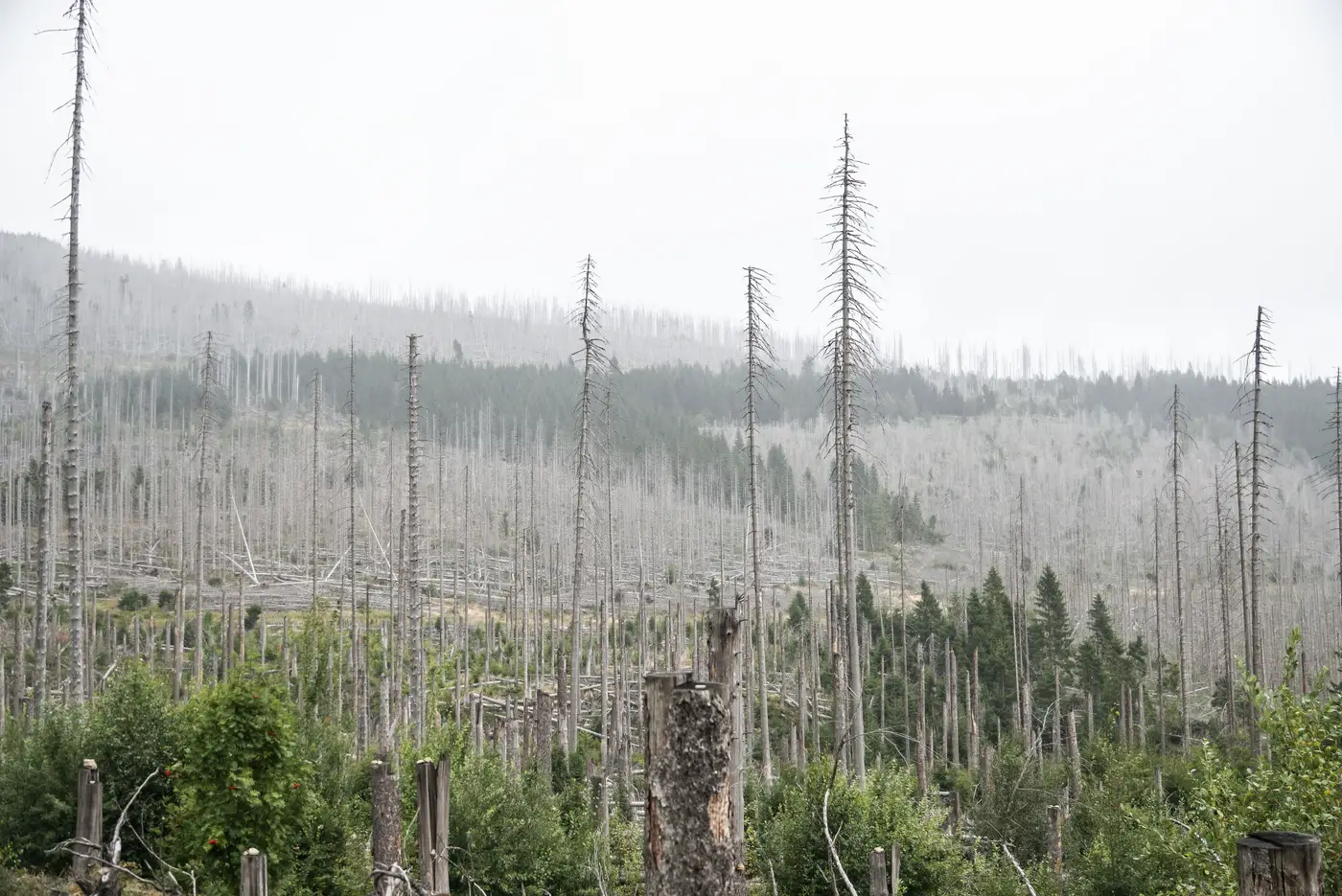
We lost Compartment 22 in about six weeks. Not the stand itself, the stand was already gone, dead as it was going to get by the time anyone cruised it in May. We lost the merchantable value in it, and we watched it happen on a schedule nobody wrote down anywhere.
Here's what the file shows. Aerial detection flagged red-attack in the block in late April, a solid cluster on the south-facing slope above the creek, maybe eighteen hectares of it. Standard stuff for that part of the watershed after three dry years. The call went out to get salvage crews in there before fall, which sounds like plenty of lead time if you've never watched a red-attack patch turn.
The saw crews had two other blocks ahead of it, and that's just how the queue worked. Stumpage rates, haul distance, a mill that was already taking everything it could handle off the valley floor sales. Compartment 22 sat in line behind ground that was, on paper, a better bet.
By the time the crew got a bar in that stand, maybe ten weeks after the flag, half of it had gone grey. Needles down, bark starting to slough on the south-facing boles, and the checking had already started in the butt logs where the sun hits hardest. The scaler on that load docked it hard. Blue stain through the sapwood, moisture content dropping fast enough that some of the bigger stems were cracking before the chainsaw ever got to them. What would've gone through as decent sawlog in June was going into the pulp pile by August, and a chunk of it wasn't worth hauling at all.
Nobody did anything wrong here, and that's the part that sticks with me. The flight window worked, the flag was accurate, the dispatch order made sense given everything else on the books. The people deciding the salvage queue were working off a snapshot from late April, and they kept treating it as if it still described the stand in July. Grey attack doesn't wait for the rotation to come back around to recheck a block. It moves on its own clock, faster on south aspects, faster in a dry summer, faster than most crews' mental model of "we've got until fall."
What would've helped was knowing which blocks in the queue were aging out of merchantability while they sat there waiting their turn, not a faster flight. A compartment that's 80% red attack in April can be 60% grey by the time the saw crew's three jobs down the list gets to it, and the forest health file won't show that unless somebody flies it again or walks it again, and neither of those happens on the week that matters.
This is the actual argument for watching stage, not just presence. A register that tracks where each stand sits on the red-to-grey curve, updated monthly instead of at the next scheduled flight, would've told the district which block to bump up the list in June. Not because it's the biggest patch, because it's the one closing its merchantability window first. That's a different sort order than acres infested, and it's the one that actually protects stumpage value. Bark Beetle Detection is built around exactly that question, a scored read on infestation stage across the monitoring area so the queue reflects what's happening on the ground this month, not what it looked like at spring flight.
Compartment 22 still got salvaged. Just not as salvage, mostly as firewood and chip-and-saw at half the rate the April cruise had penciled in. The trees were there the whole time. The window on them wasn't.
If your salvage queue is still running off the spring flight, it's worth a look at how fast your reddest blocks are turning.