Blog
 Field notes: the winter that never got cold enough
A forest health specialist's field notes on a mild winter, overwintering brood survival, and why cold snap mortality didn't show up this year.
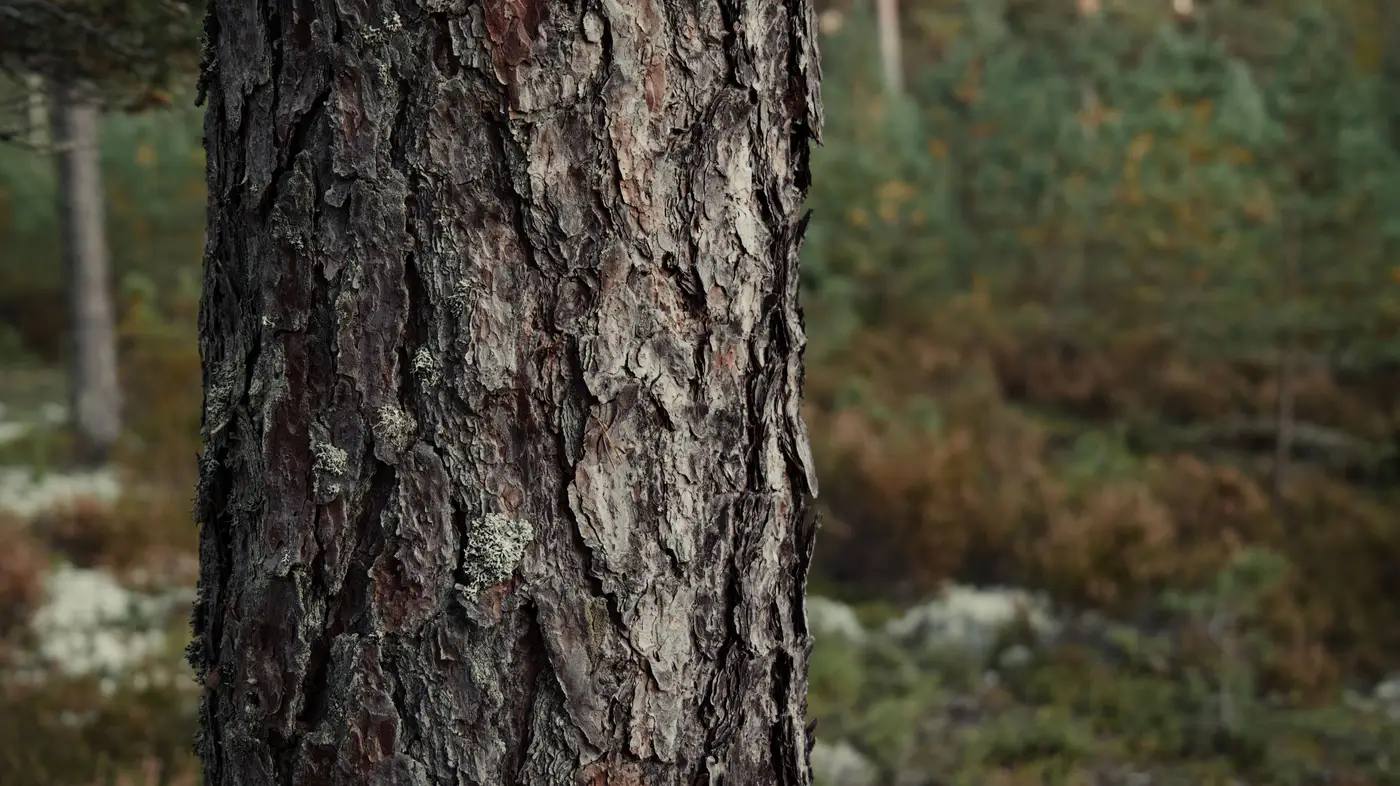 Pheromone-baited trap trees: what they show and what they miss
What a pheromone-baited trap tree is, how the lure works, and what trap-tree catch data can and can't tell a forest health program.
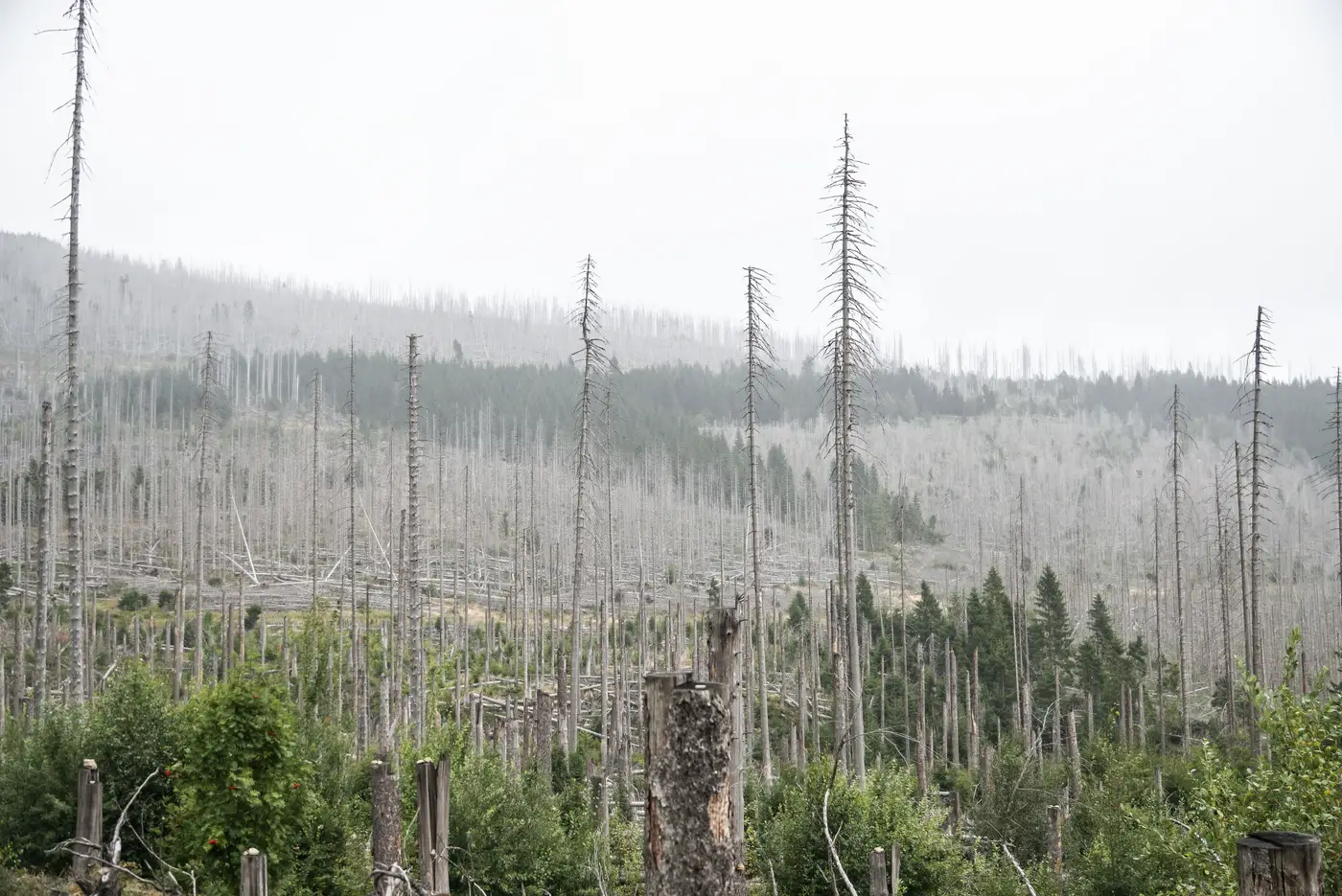 Endemic vs. epidemic bark beetle populations: where the line sits
How forest health specialists tell endemic bark beetle mortality from a declared epidemic, and the thresholds agencies actually use to call it.
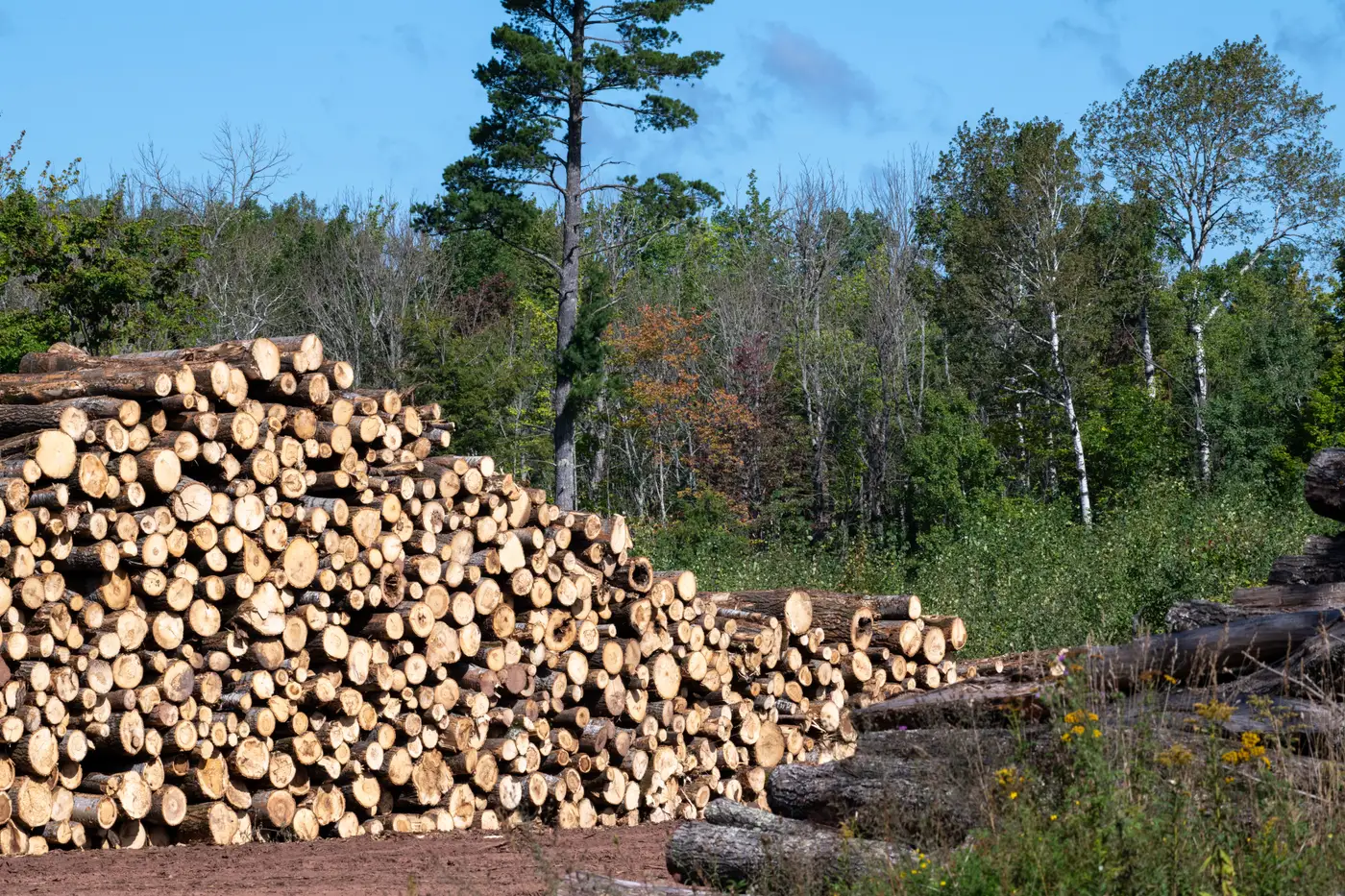 What is a cull factor, and why it moves salvage harvest economics
Cull factor explained for beetle-killed timber: how cruise volume discounts climb from red attack to grey attack, and why salvage timing drives recovery value.
- Field notes: the compartment where grey attack outran the saw crews
A field-notes look at how a salvage queue lost a stand's value while grey attack outpaced the saw crew's schedule.
- Sanitation harvest vs. salvage harvest: what's the difference?
Sanitation cuts pull infested trees before brood flies. Salvage cuts recover value after trees are dead. Here's how foresters tell them apart on the ground.
 Ground reports vs. scored stand layers for tracking bark beetle spread
How field crew reports and scored stand layers each track bark beetle spread between surveys, and where a district should lean on which one.
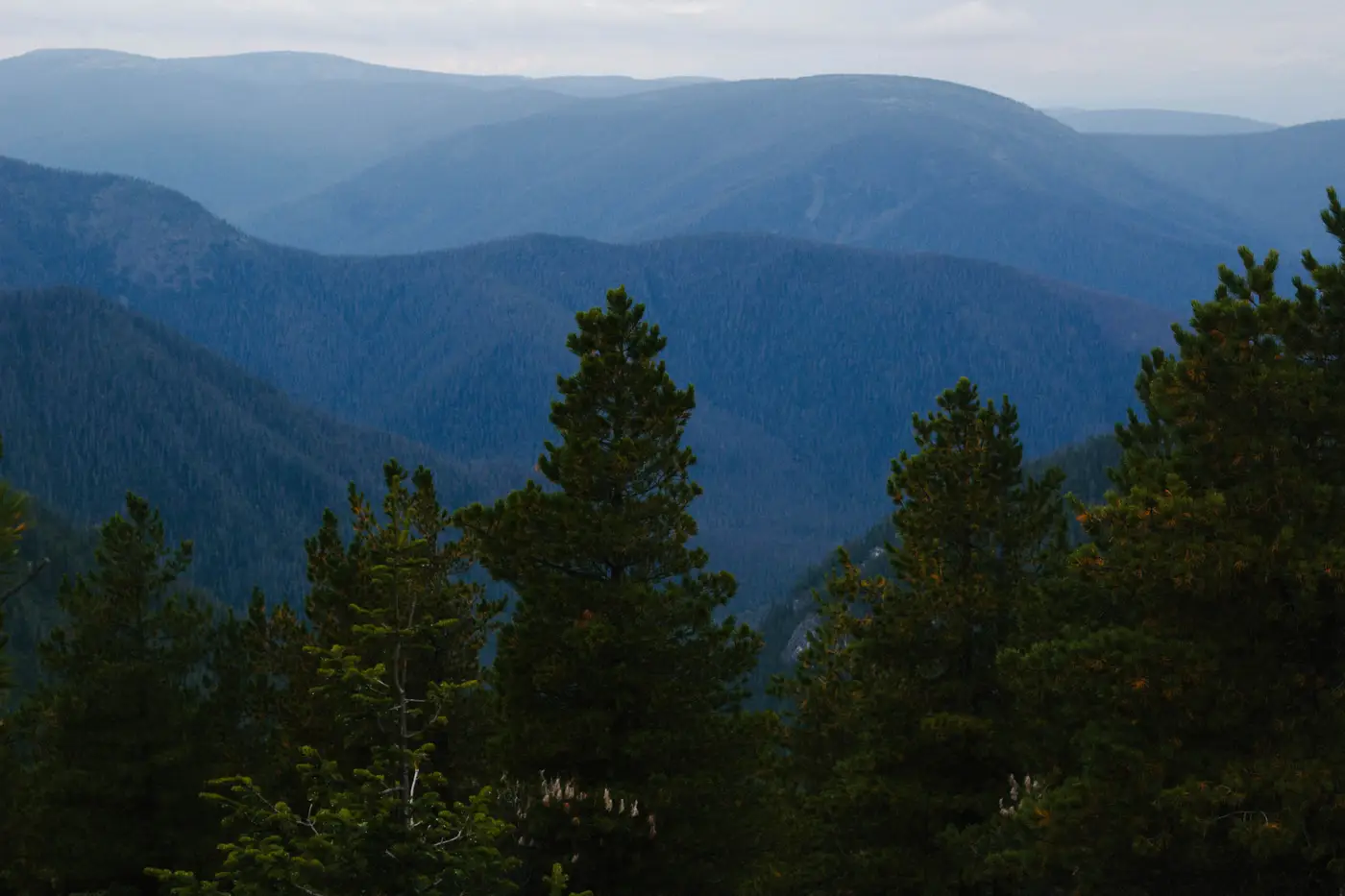 What is a scored layer in forest health monitoring?
A plain explanation of scored layers in bark beetle monitoring: what the number means, how it's built, and how to read it stand by stand.
- Field notes: the stand that still looked green from the road
A stand off a logging road looked fine from the truck. It was already past green attack. Notes on why windshield checks miss the first wave.
 Spruce beetle vs. mountain pine beetle: telling them apart from the air
How canopy color, host species, and timing separate spruce beetle damage from mountain pine beetle damage when you're reading aerial or satellite imagery.
- Pitch tubes vs. boring dust: telling fresh beetle attack from old
How to read pitch tubes and boring dust on standing trees to separate fresh bark beetle attack from last season's strikes in the field.
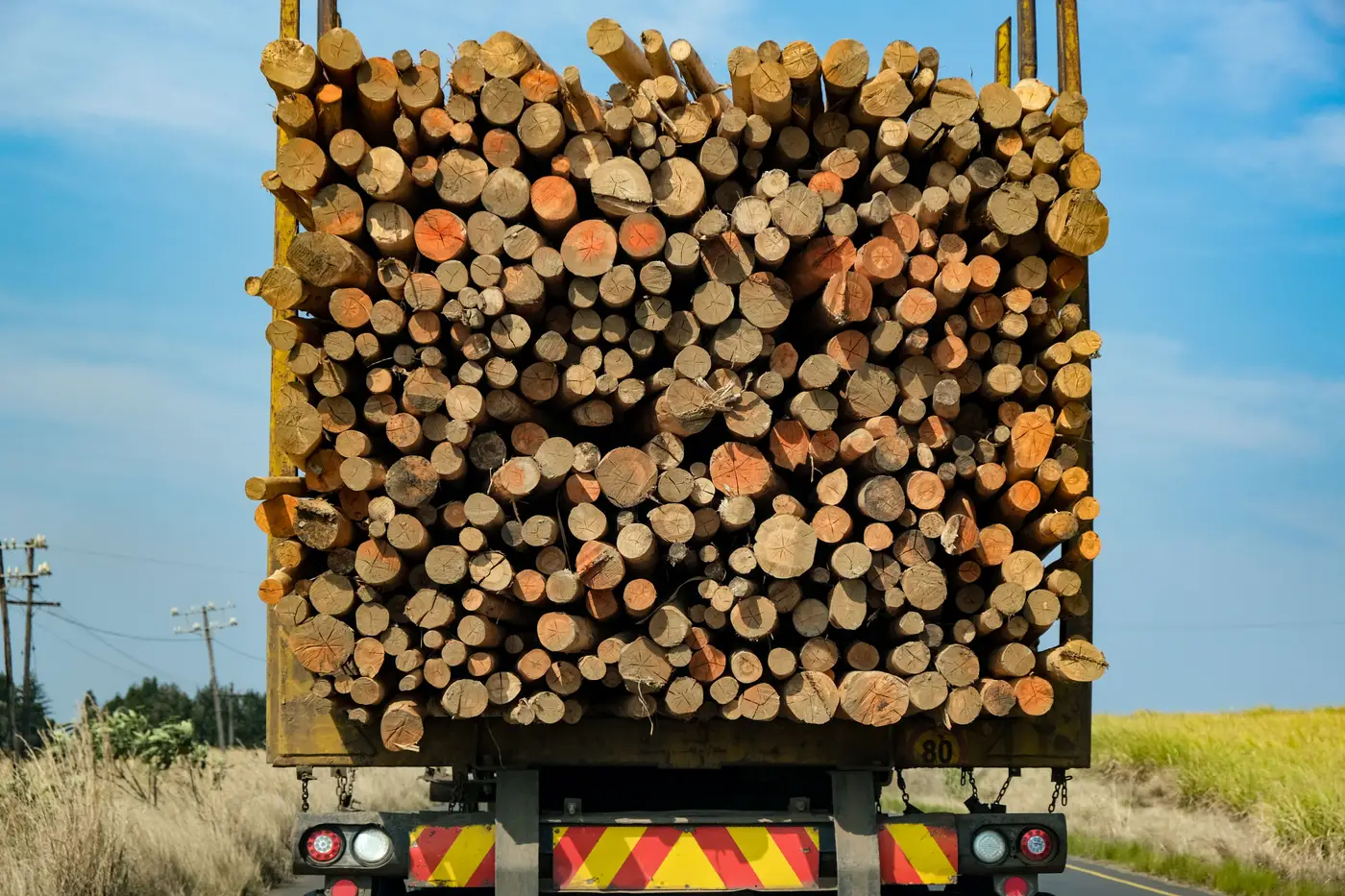 What is blue stain, and why it cuts the value of beetle-killed timber
Blue stain fungus rides in with bark beetles and discounts salvage logs fast. Here's what it is, how it spreads, and why timing the cut matters.
- How to prioritize salvage harvest blocks after a bark beetle outbreak
Sequencing salvage blocks by red-to-grey stage protects merchantable volume that stand size or survey timing alone would miss.
- What is a stand register in forest health monitoring?
A plain explanation of the stand register, what fields it holds, and why agencies rebuild one every time a beetle flight hits the ground.
- Aerial detection survey vs satellite monitoring for bark beetle outbreaks
ADS flight limitations versus satellite monitoring for tracking bark beetle infestation stage between survey seasons, and where each method fits.
- How long do you have to salvage beetle-killed timber?
A field guide to the salvage window after bark beetle attack, from red attack through grey-stage decline in merchantability and blue stain value loss.
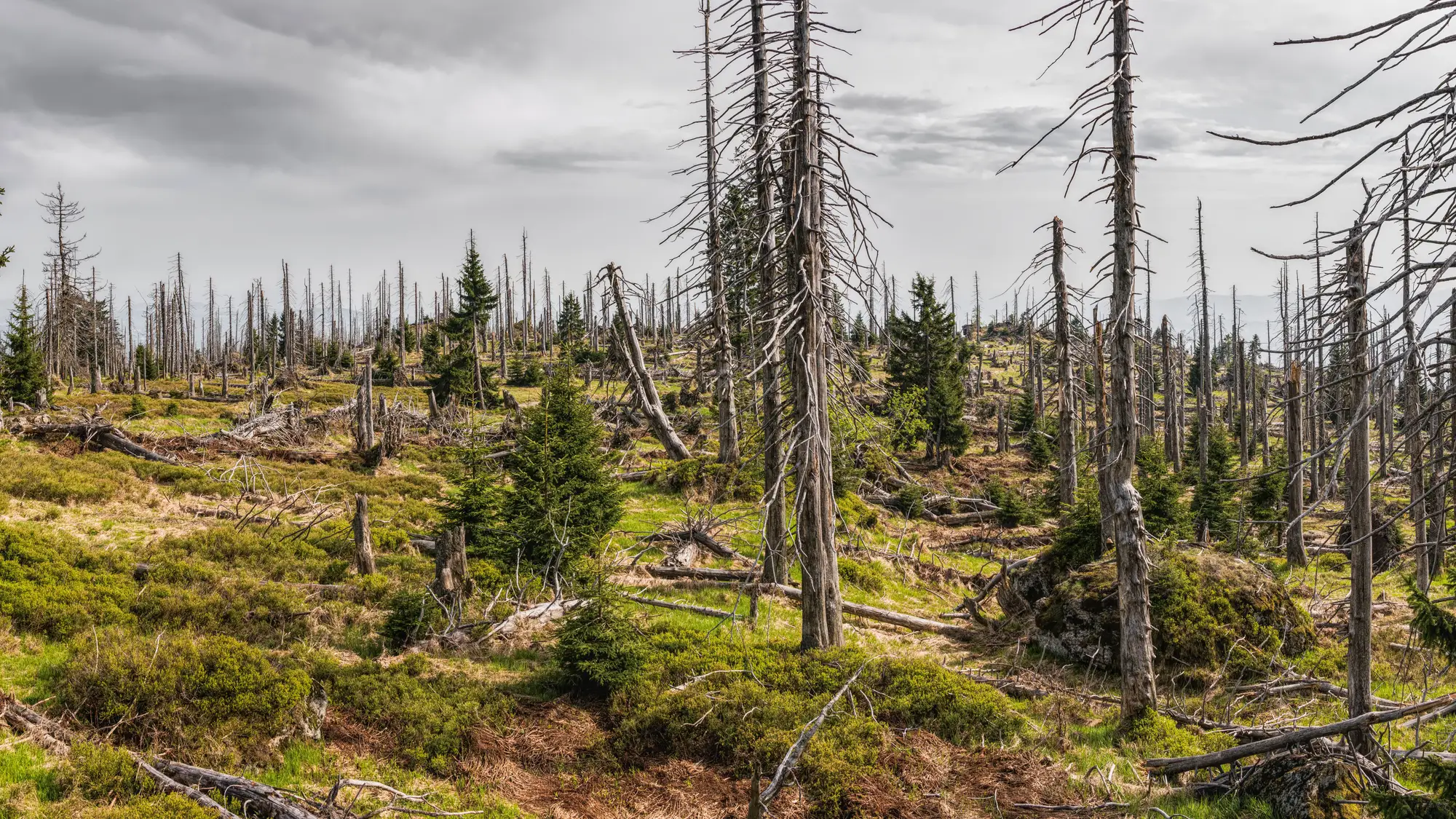 Red attack vs green attack: telling bark beetle stages apart
Red attack and green attack look different in the field and from the air. Here's how to tell bark beetle stages apart before the salvage window closes.
- What grey attack actually means for salvage timber
Grey attack is the final visible stage of bark beetle kill: needle drop, bark sloughing, and a closing window for merchantable salvage.