What is a cull factor, and why it moves salvage harvest economics
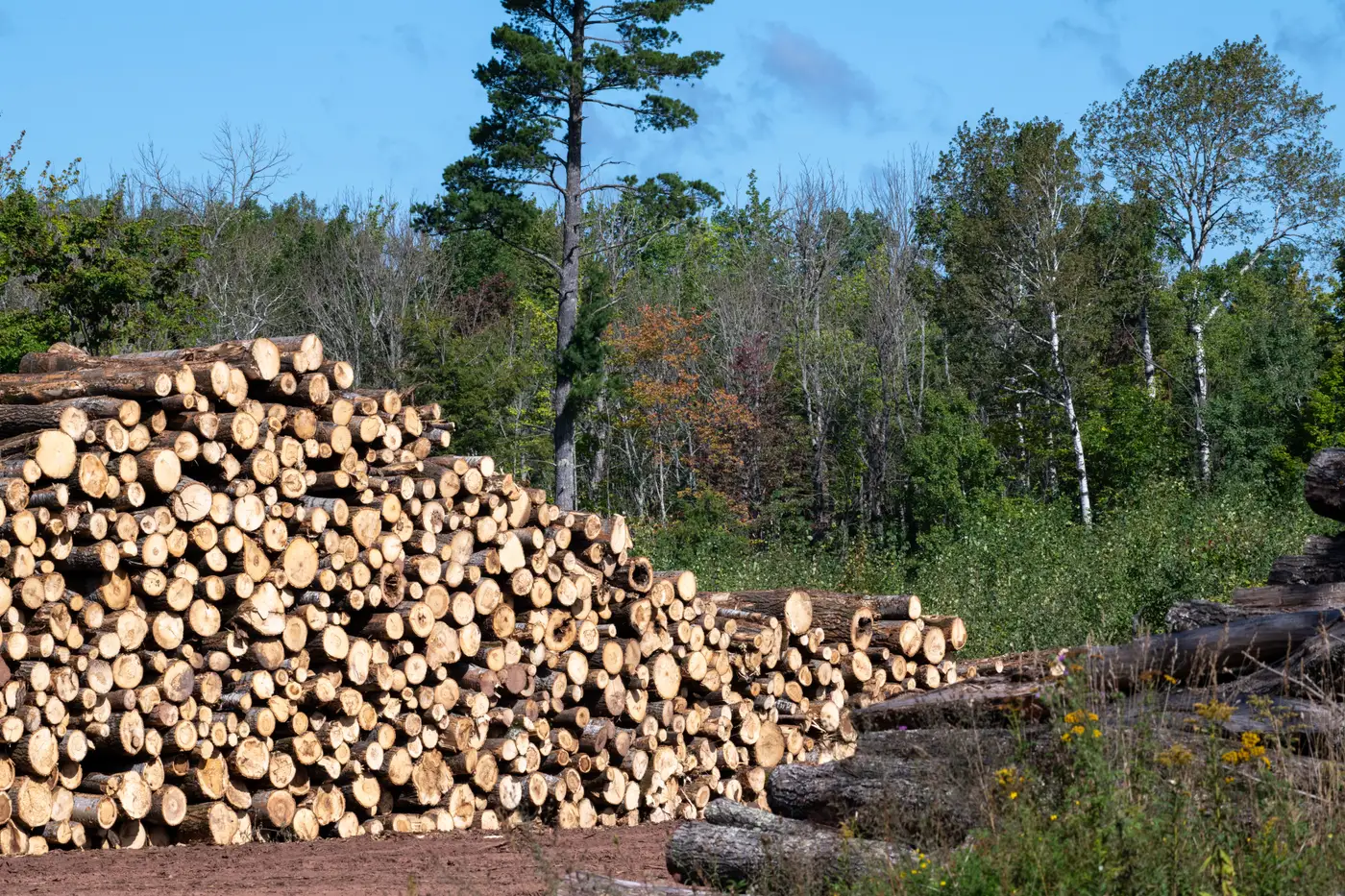
A cull factor is the percentage of gross cruise volume a cruiser writes off before a stand's merchantable volume gets reported, usually broken out by species and defect type: rot, breakage, checking, stain. For green timber the number sits low and stable. For beetle-killed timber it moves fast, and it moves in one direction, because the tree is decaying on its own schedule whether or not a harvest crew gets there first.
Why cull climbs after the attack
A red-attack tree still has its needles, which means it still has usable sapwood and a trunk that hasn't started checking badly. Cruisers typically pencil in a modest cull deduction here, close to what they'd apply to a storm-damaged but structurally sound stem. The wood is dead, but it hasn't had time to dry, crack, or let decay fungi in through the bark beetle galleries.
Grey attack is a different cruise sheet entirely. By the time needles have dropped and bark starts sloughing, checking has usually opened the stem to blue stain fungi and secondary decay organisms. Sapwood that was merchantable eighteen months earlier can now be chalky, soft, or riddled enough that a mill won't take it at any price. Cruisers in grey-attack stands routinely apply cull deductions two to three times what they'd write for the same stand at red attack, species and site conditions depending. Some grey-attack cruises come back with over half the gross volume culled before a log ever reaches the scale.
That gap, between what a stand would have scaled at red attack and what it scales at once it's slipped to grey attack, is the economic cost of a missed harvest window. It shows up as a lower net volume on the cruise compilation and a smaller check at the mill, with nothing on the paperwork to flag why.
Cull deduction is a cruise estimate, not a certainty
Worth saying plainly: a cull factor is the cruiser's field estimate of defect, applied against a tariff or volume table, confirmed (or revised) at the scale. It isn't a fixed number assigned to a species. Two stands at the same infestation stage can carry different cull depending on how long they stood dead through wet versus dry seasons, how exposed the site is to wind and sun checking, and how much secondary insect activity moved in behind the beetles. A cruiser who walks a stand in July will write a different cull estimate than one who walks the same stand the following March, even if the trees haven't been touched, because the defect kept progressing.
That's the part that makes salvage cruise volume discount numbers hard to plan against from an office desk. A forest health crew flags a stand as infested this season. By the time a cruise crew gets scheduled, walks it, and the sale gets to tender, a stand that was red attack at flagging can have slid into grey attack, and the volume discount on the actual cruise ends up well below what the original stand exam assumed. Salvage sales get bid and budgeted on cruise numbers that are already stale by the time crews are on the ground.
Matching cruise timing to attack stage
The lever available here is narrowing the gap between when a stand goes down to beetles and when a cruiser gets eyes on it, so the cruise reflects the stand's current stage rather than the stage it was at when someone last flew the block. A stand register that tracks red-to-grey progression across a monitoring area on a regular cadence, rather than catching stage changes only when an aerial survey window opens, gives a cruise scheduler something to prioritize against: push the reddest stands to the front of the queue, because those are the ones still holding merchantable volume.
That's the gap a monthly spectral read on infestation stage is built to close, scoring stands from red attack through grey attack between survey flights so salvage priority gets set against current stage, not last season's.
If cull deduction is quietly eating your salvage margin one grey-attack stand at a time, it may be worth seeing how a stage-by-stand register changes the prioritization call.