How to prioritize salvage harvest blocks after a bark beetle outbreak
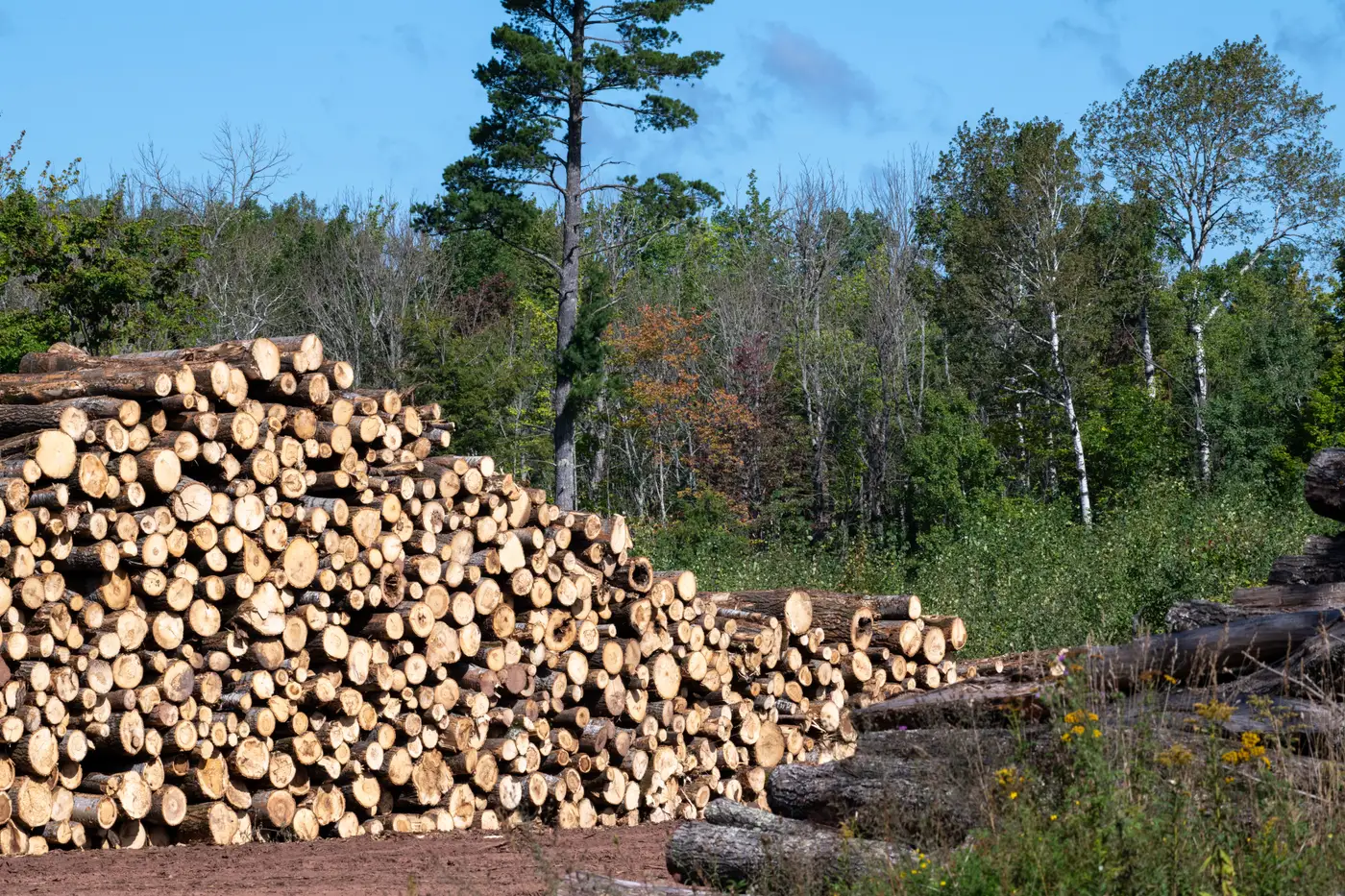
A beetle outbreak rarely hits one stand. By the time aerial survey confirms red-attack across a management unit, you're often looking at a dozen or more polygons that all technically qualify for salvage. Identifying beetle kill is the easy part. Deciding which blocks get a cruiser and a sale package this quarter, and which wait until next season, is the harder call, because the crews, the mill quota, and the haul roads can't move on all of it at once.
Sequencing comes down to how fast a stand is losing merchantable value as it moves through the red-to-grey curve.
Stage beats stand size for sequencing
A 40-acre red-attack stand with fresh fading crowns and a 60-acre stand already dropping needles and going grey don't belong in the same queue, even if the grey stand carries more board feet on paper. Blue stain sets in fast once a tree moves past red-attack, and by grey-attack a lot of that volume has already degraded past sawlog grade into pulp or firewood, if it's still standing at all. Fall-down risk climbs too. Grey-attack snags start losing root plate integrity within a couple of years, which turns a straightforward cut block into a hazard-tree operation with slower production rates and higher felling costs.
A stand's position on the red-to-grey color curve should set its place in line, more than acreage or total cruise volume ever will. A unit in year-one red-attack has more usable sawlog volume left to lose than a unit already fading to grey, and that volume loss runs on a clock, regardless of when the next survey happens to fly. Waiting for the next scheduled aerial flight to confirm what stage a stand is actually in can cost a full season or more of merchantable timber on the stands that are moving fastest.
Building the priority list without flying every compartment
Most agencies don't have the aircraft hours or the ground crews to walk every suspect polygon before deciding what goes out to bid first. The usual workaround is triage by proxy: age since first detection, proximity to roads, or whichever compartment happens to be due for an aerial pass that month. That gets you a list ranked by survey scheduling, which rarely matches the pace of decay in the stand.
A better sequencing run starts with a stand-by-stand read on where each polygon sits on the infestation curve right now, so the stands losing value fastest rise to the top regardless of when they were last flown or walked. That's the gap a monthly scored layer on red-attack to grey-attack progression is built to close, which is the spectral read on infestation stage across a monitoring area a forest health shop gets delivered stand by stand instead of waiting on the next flight window or stitching together ground reports from field staff who covered different compartments on different days. The register shows which stands moved stage this month and roughly how far.
From there, sequencing gets simpler. Stands newly into red-attack with high sawlog content go on the sale-prep list first. Units sliding into grey with marginal volume left get folded into salvage sales already in motion or written off as pulp and firewood. Green stands get rechecked next cycle rather than cruised this one. Contractor crews and mill quota get pointed at the volume that's disappearing, instead of whatever stand happened to get surveyed most recently.
A ground cruise still has to happen before a sale package goes out. This just tells you which stands earn that cruise first, sending crew time to the acres where the clock is running out fastest, instead of the acres that happen to be easiest to reach this week. If your current queue is built off survey timing more than actual stage, it's worth seeing what a monthly scored register would put at the top of yours.