Field notes: the stand that still looked green from the road
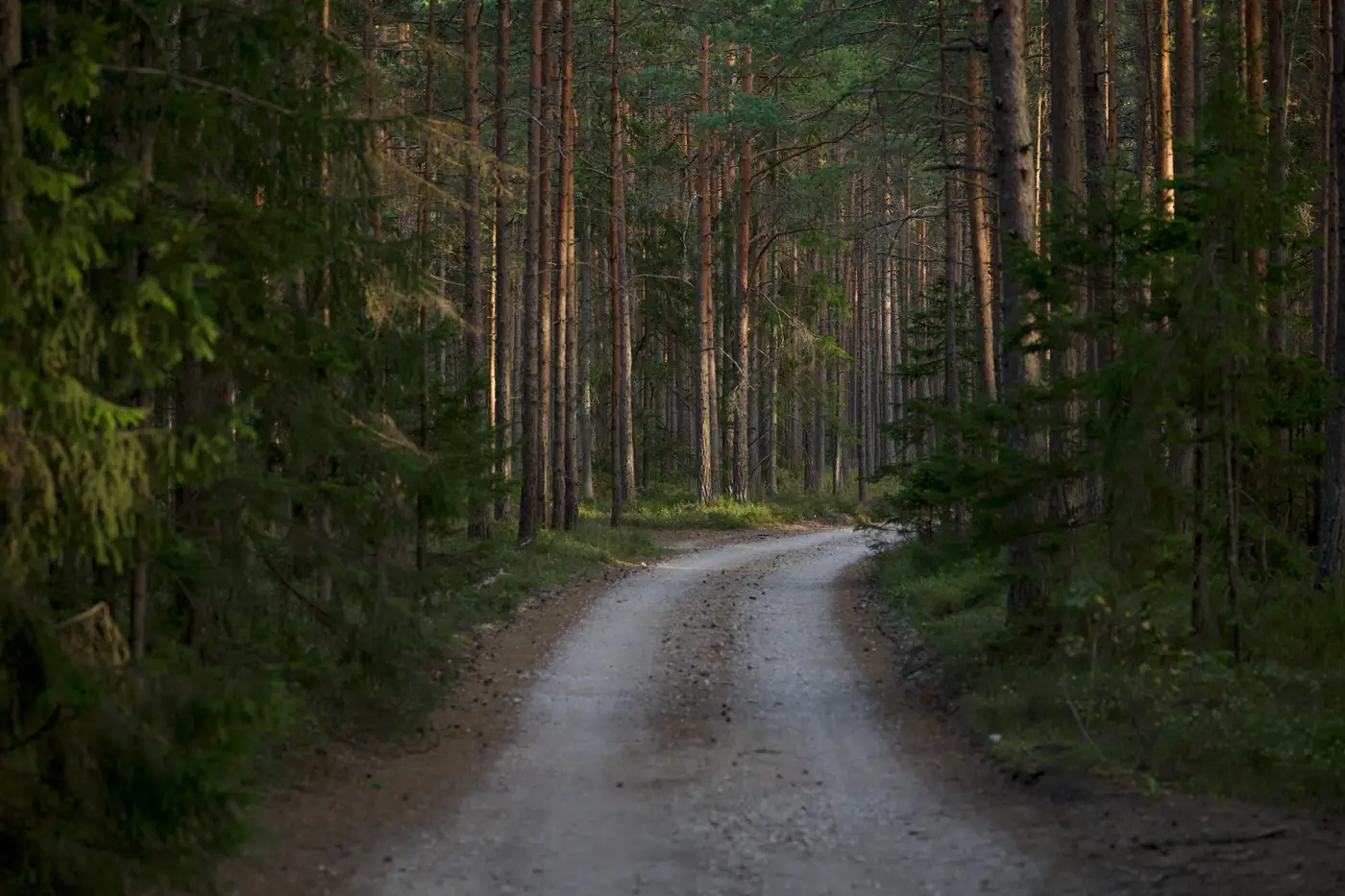
Mile marker 14, FR-212. I slowed the truck because the tally sheet from the adjacent compartment had mortality numbers that didn't match what I was looking at through the windshield. Full crowns, good color, nothing that said beetle. I almost kept driving.
Twenty minutes on foot changed the read. Pitch tubes on six of the first nine lodgepole I checked, popcorn-colored and fresh, not the old gray crumbles that mean the tree fought it off two years back. Boring dust sat in the bark furrows, the kind that collects like cinnamon in a crease and blows off if you wait a week. I pulled a bark sample at breast height on the worst one.
Galleries ran clean through the phloem, with no resin flow left to speak of. The crown on that tree would hold its green another eight to ten months. From the road, from a truck window at 40 miles an hour, it was a healthy tree. It was already dead.
This is the stand that gets missed, and it's not because anyone's being careless. The windshield survey and even the aerial detection flight are built to catch the symptom, not the event. By the time a crown fades to that red-orange stage everyone recognizes, you're usually looking at an infestation that moved in twelve months earlier. The beetles that killed that tree have already emerged, mated, and flown to the next stand over. You're not finding the outbreak. You're finding where it used to be.
Ground crews know this cold. It's the reason a good cruiser walks transects with a hatchet and an eye for frass instead of trusting a flyover, and it's the reason green attack never shows up clean on a fixed-wing ADS pass no matter how good the observer is. Crown color lags the biology by a full season. A stand can carry a hundred newly attacked stems and still photograph green from three thousand feet.
Anyone can spot red attack from a truck, and by then the salvage math has mostly already been written for you. The window that actually matters sits earlier, at green attack, before the needles turn, while the only tells are things you have to be standing under the tree to see. Catch it there and the wood still has merchantable value, and the stand still has a shot at a planned entry instead of an emergency one. Most districts don't have the staff hours to walk every acre of a monitoring area looking for pitch tubes before leaf color gives the attack away on its own.
That gap is exactly why we built the scored layer at the center of what we do. Instead of waiting on an aerial survey flight window or a windshield pass to catch the red stage, a monthly spectral read tracks the red-to-gray color progression across your whole monitoring area and flags which stands are moving before the ground crew would otherwise get a reason to look. It doesn't replace the hatchet and the bark sample. It tells you which fifty acres are worth the hatchet this month, out of the forty thousand you're responsible for.
I went back to that compartment off FR-212 six weeks later. The stand had turned. From the road it finally looked like what it was in June. By then the attack had already spread into the draw on the far side, and that salvage sale took another year to write because nobody caught it early enough to bundle it with the harvest already planned next door.
Worth a look before your next flight window comes around.