Field notes: the winter that never got cold enough
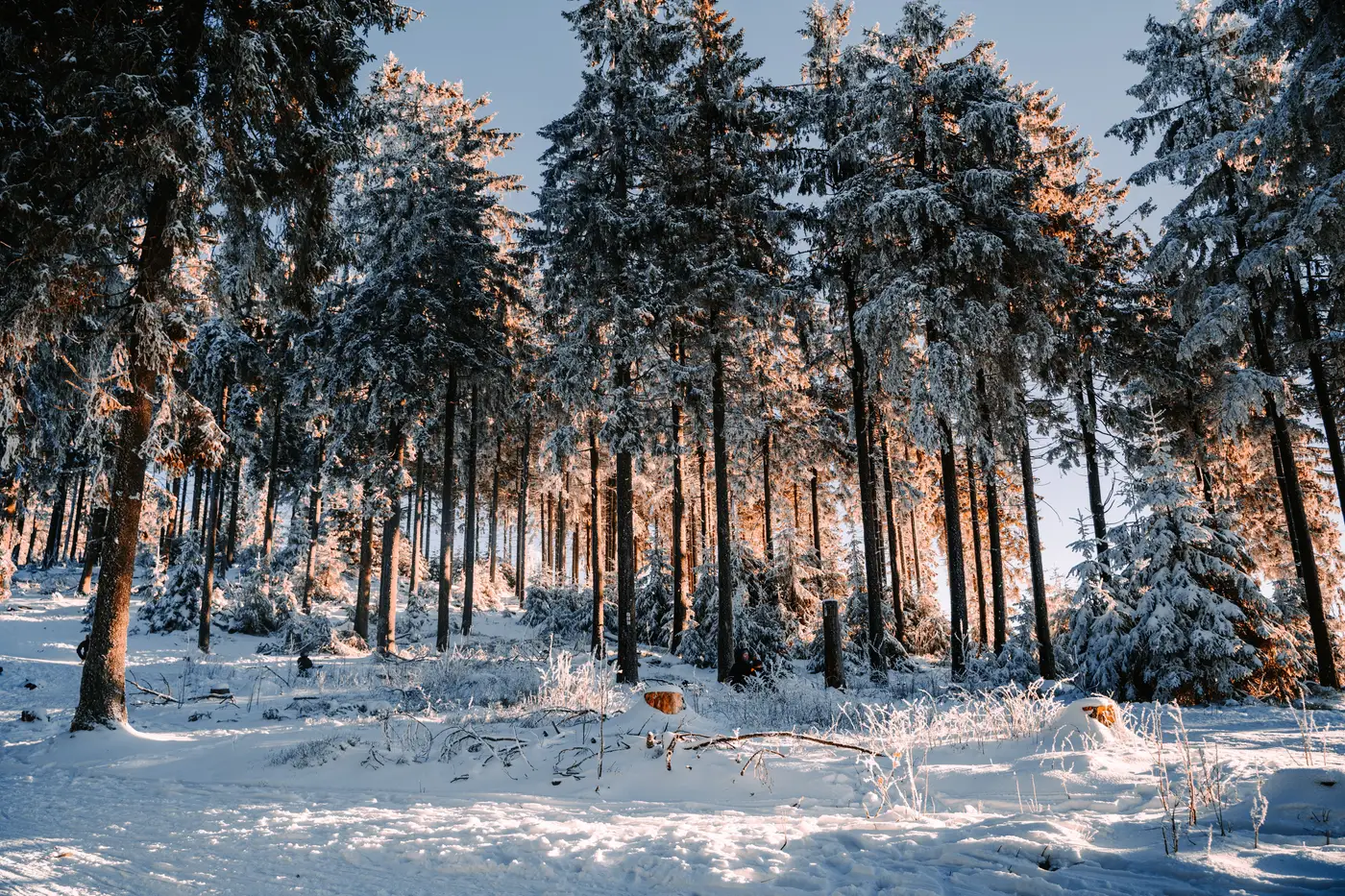
I pulled the temperature loggers out of three plots last week, the ones we staked at breast height in the red-attack stands back in October. I already knew what they'd say before I plugged them into the laptop in the truck. We never got there.
"There" being the number that matters for mountain pine beetle larvae tucked under the bark: somewhere around minus 30°F sustained for a few days, cold enough to push supercooling points past the point the insect can buffer. Spruce beetle has its own threshold, a little different, a little more forgiving, but the mechanism is the same. A real cold snap has to hold for days to do that work. One hard freeze in November does almost nothing if the larvae haven't finished winterizing their hemolymph yet. You need the deep, held cold of January, the kind that used to show up reliably and now shows up some years and skips others.
This was a skip year. Our coldest sustained stretch logged out around minus 18°F for maybe thirty-six hours, and that was in a plot with thin snowpack, which matters more than people outside the trade usually appreciate. A good snow load acts like a blanket over the root collar and lower bole, and the beetles overwintering low on the trunk ride it out warmer than the ones up higher where bark is thinner and exposure is worse. So even the "cold enough" moments this year were patchy by elevation and by snow depth, which means brood survival is going to be patchy too, but patchy on the high side. Not the kind of mortality event that resets a population.
I've been doing this long enough to remember when a hard cold snap was something you could pencil into the risk model with some confidence. You'd get your minus 35°F week most winters in the right country, and it did real work knocking back brood before spring flight. The last decade has made that a coin flip. Some winters deliver it, and a lot don't.
When the snap doesn't come, the infestation doesn't pause the way the old assumptions say it should. It keeps moving through the stand at whatever rate the summer flight and attack density set up, red-attack sliding into grey-attack on the same timeline as a normal year, maybe faster if the trees were already stressed from drought going into fall.
What that means on the ground is that we can't lean on winter as a management tool the way the old district plans do. A plan that says "assess salvage priority after winter mortality assessment in April" is assuming winter does something. This year it mostly didn't. So the stands we flagged as red-attack candidates for spring salvage are still red-attack candidates, probably already tipping toward grey in the understory where sun exposure runs the phloem dry faster. The aerial survey contract doesn't fly again until the window opens, and ground crews can only get into a fraction of the priority blocks before breakup makes the roads impassable.
That gap, between what winter was supposed to do and what it actually did, is where a lot of salvage value gets lost. Stands sit a stage further along than the last flight line suggested, and by the time anyone walks them the merchantable window has narrowed or closed. It's part of why a monthly scored read on the red-to-grey progression across the whole monitoring area has started replacing the wait on flight windows for some districts, so the stage-by-stand picture doesn't go stale over a winter that didn't deliver.
No mortality event to write up this year. Just a logger reading that tells you the beetles mostly made it, and a season ahead where the stage clock keeps running whether or not the cold does its job. Worth a look if your district is carrying the same gap.